Federal Mental Health Cuts Spark Crisis Across States | Image Source: uwmpost.com
MADISON, Wisconsin, April 7, 2025 – Through the United States, the brutal completion of more than $11 billion in federal public health funds has left a mark of uncertainty, frustration and despair, particularly in mental health and substance abuse communities. Programs that once served as emotional lifelines, such as the Wisconsin Umlift Warmline and Minnesota Wellness in the forest, have been deactivated or reduced, leaving countless individuals without critical support. The agitated effect of this funding gap extends from urban centres to rural areas, demonstrating how fragile the country’s mental health infrastructure is.
As Wisconsin Attorney General Josh Kaul said the reductions will cost the state at least $235 million, which will affect a range of services, including rural health, EMS infrastructure and infectious disease research. However, the most devastating blows are felt in mental health initiatives, many of which were already underway in shoe budgets. Among the first victims were Uplift Wisconsin Warmline, the only publicly owned mental health line. After launching in July 2023, the Warmline responded to 24,000 calls in its first year only before being abruptly closed on 24 March 2025.
What was the purpose of these hot line services?
Unlike emergency telephone lines like 988, Warmline services such as Uplift Wisconsin and Minnesota’s Wellness in the forest were never designed to respond to the crisis. Its value was in 𝐩𝐫𝐞𝐯𝐞𝐧𝐭𝐢𝐨𝐧 , being the safe space that someone called 𝐛𝐞𝐟𝐨𝐫𝐞 the break. According to Erica Steib, director of the state-led suicide prevention program in Wisconsin, the Warmline offered people an opportunity to connect, share and increase their emotional distress without fear of police intervention or psychiatric hospitalization.
“It’s really a place of connection and support before people reach a crisis point,” Steib said. This distinction is not trivial, it is fundamental. Support specialists for minors such as Kris Ekman, an uplift operator now conditioned, have used their experiences with mental illness or substance use to relate to slander so that trained doctors often cannot. ”I wish I had grown up. It means a truly confidential and safe place,” said Ekman.
Why? Are these services provided?
The final funding came from the American Rescue Plan Act of 2021, which had allocated age pandemic grants to expand public health infrastructure until September 30, 2025. But in March 2025, the U.S. Department of Health and Human Services suddenly terminated these grants, affecting thousands of programs at the national level. According to federal officials, the funds were not sustainable beyond the pandemic. However, mental health advocates argue that these services were never simply “VOCID programs.” These were strategic interventions aimed at addressing, but not limited to, the long-term mental health crisis exacerbated by the pandemic.
In response, Attorney General Kaul and officials from 23 other states and Columbia District filed a complaint against HHS and Secretary Robert F. Kennedy Jr. A federal judge issued a temporary restraining order to stop the return of funds, but it remains unclear whether such a measure will restore services such as Uplift in the meantime.
What are States doing to fill this gap?
Some States have begun to seek local funding solutions. In Wisconsin, Governor Tony Evers included a $1.1 million project in the 2025-2027 biennial budget to replace federal funds that were ready to expire in September. But this budget still needs to clarify a number of obstacles before arriving at the Governor’s office – which are reviewed by the Joint Finance Committee of the Legislative Assembly and approved by both Houses of Parliament. Even if this happens, it will not be available in time to avoid service failures.
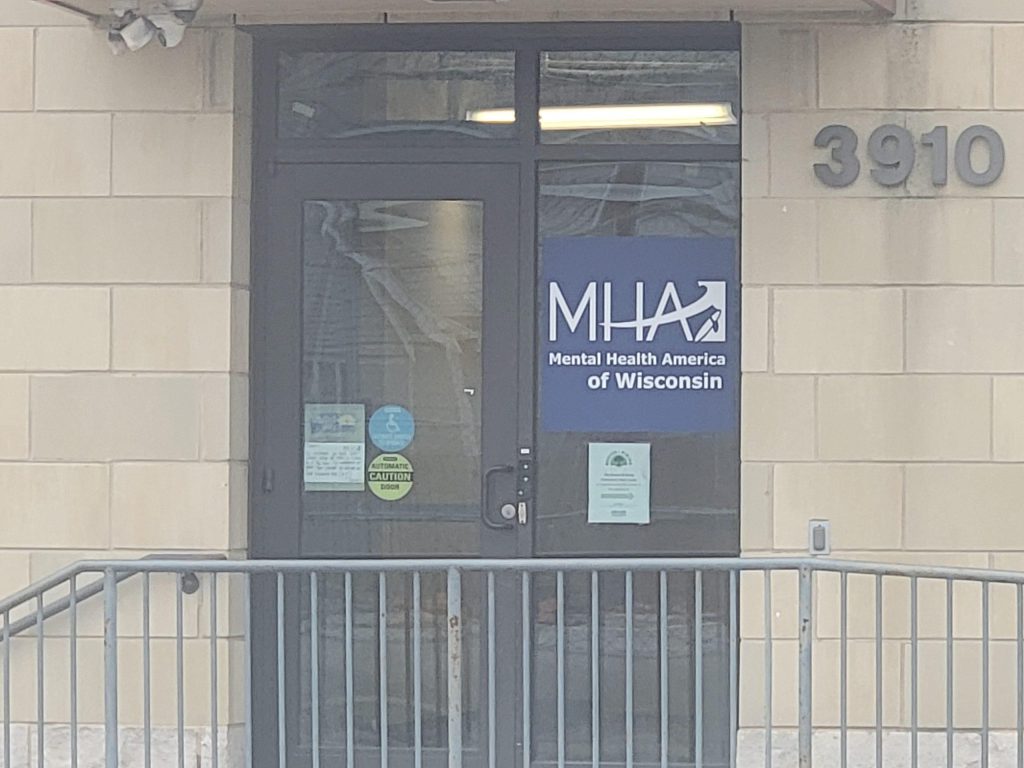
To fill this gap, Wisconsin’s Mental Health America has become a public fundraiser, launching campaigns on its website and GoFundMe to keep the Warmline alive. “We need a lot of support from the general public to try and make it known to them that people are interested in mental health,” Steib said. “People want others to have access to attention.”
What is the impact of these reductions on real people?
The personal stories that emerge from the fall are heartbreaking. Kristi, a Minnesota Warmline operator with more than eight years of service, talked about those suffering from paranoia or complete social isolation. ”They’ll tell us that if I didn’t have this hot line, I wouldn’t have anyone to talk to all day,” he said. They’re not just statistics, they’re helping people with no other life line.
Well-being in the woods, which lost almost $250,000 in funding, managed to maintain its hot line – but only half capacity. What was once a complete team of 12 night shifts is now a skeleton team. According to Monica Yeadon, director of the process and improvement of the group, “we had people who say they wouldn’t be alive without our services.” The organization relies on emergency funds and local donations, including memory fund-raising plans in May.
What are you doing? Does this mean for the broader landscape of mental health?
Beyond Wisconsin and Minnesota, the implications are national. TYSA (Tackling Youth Substance Abuse), the only coordinated network on Staten Island with 70 substance use and mental health organizations, was also affected by these reductions. The work of TYSA is visible and vital: it conducts youth outreach activities, supports treatment providers and collaborates with law enforcement agencies in public health interventions against drug abuse. However, its funding, mainly through SAPT grants, was reduced six months earlier. The consequences? Reduction of street awareness, drug awareness and harm reduction programmes in a district that causes overdose deaths in New York City.
Alexandra Nyman, Executive Director of the Break Free Foundation and member of TYSA’s board of directors, made it clear: “This is not a hypothetical crisis. It’s already happening.” As he explains, these subsidies are not dumped. They are well-covered machines that provide real-time and online support to people living in the midst of substance abuse and mental illness.
What can communities do without federal support?
Community mobilization becomes the regression strategy. In Wisconsin, Minnesota and New York, non-profit organizations are launching public awareness campaigns, calling for legislators and asking residents to stand up. Whether they are small donations, public advocacy or volunteerism, they ask people to support these services until government funding is restored. But there is only so much community support that it can do when institutional support disappears at night.
More than anything, the current situation reveals a systemic defect: the high dependence on temporary subsidies to finance long-term care. “We are his lifeline,” said Kristi of Wellness in the forest. And what are they gonna do without us? This issue is now pending, not only for mental health professionals, but also for anyone who understands how important these services are in times of crisis.
With outstanding federal disputes and local governments moving towards legislative barriers, the future of programs like Warmline remains uncertain. But what is clear is the human balance. In a society where mental health support is already difficult to access, the sudden elimination of existing and operational programs risks not only emotional well-being, but also the lives of countless Americans.
It’s not just a financing problem, it’s moral. As one peer support specialist said, “it’s not just a direct line – it’s hope with a tone of line.” If this hope is closed, what will replace it?